The Institute
A cultural institution in the heart of Paris
Since 1924, the Institut Rachmaninoff has carried forward in Paris a tradition of education, culture, hospitality and transmission, recognized as serving the public interest (reconnaissance d’utilité publique, 1983).
History
An artistic home born of exile
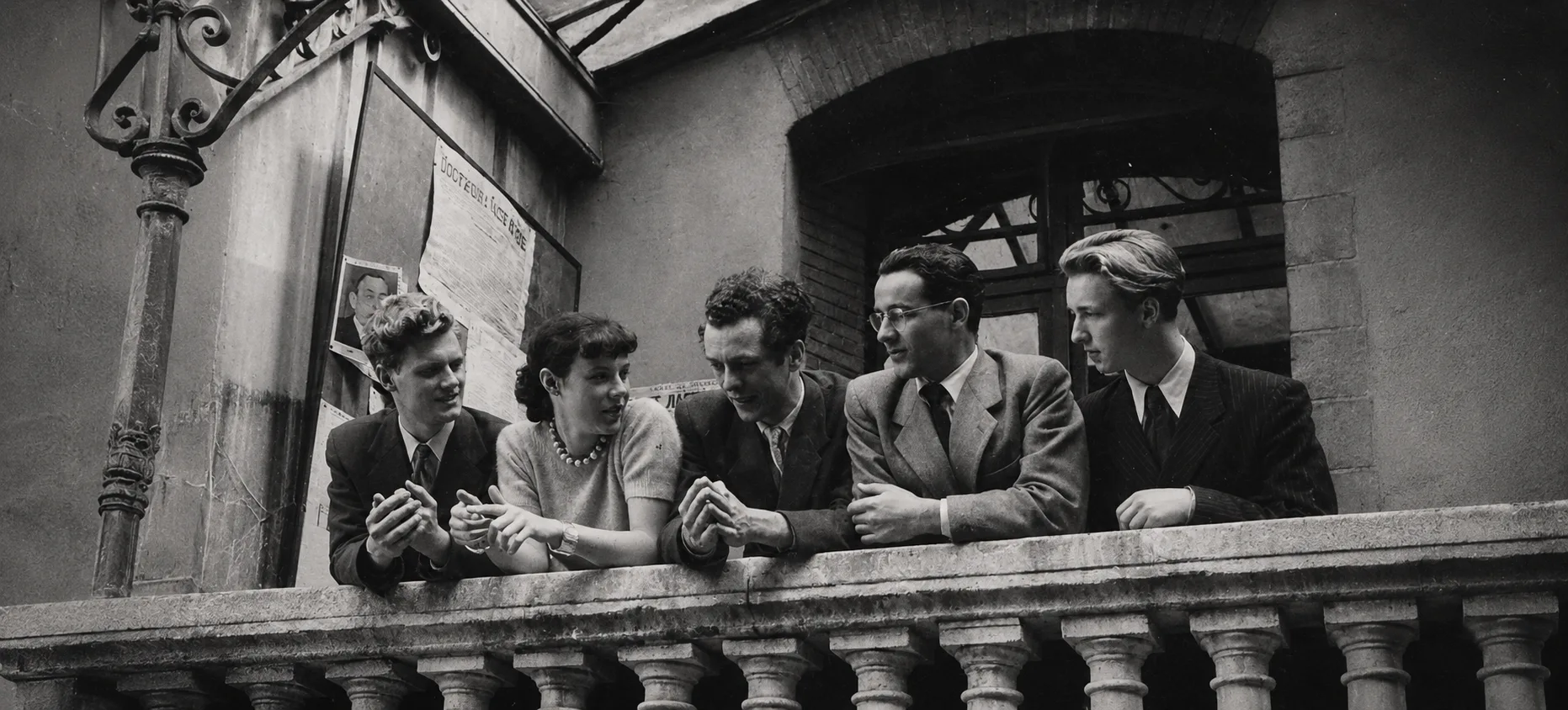
In the aftermath of the Revolution of 1917, Paris welcomed an artistic elite deprived of its institutions. In 1924, at the initiative of Sergei Rachmaninoff, Feodor Chaliapin and Alexander Glazunov, a Russian Conservatory was founded. In 1931, the Russian Musical Society was reborn in France as the Société Musicale Russe en France, carrying forward this work of transmission, creation and solidarity.
1924
Founding of the Russian Conservatory in Paris
1983
Public-Interest Recognition
Public interest
Culture, education and humanitarian mission
Missions
Six missions, one vocation: education, cultural outreach, humanitarian work, heritage, creation, encounters.
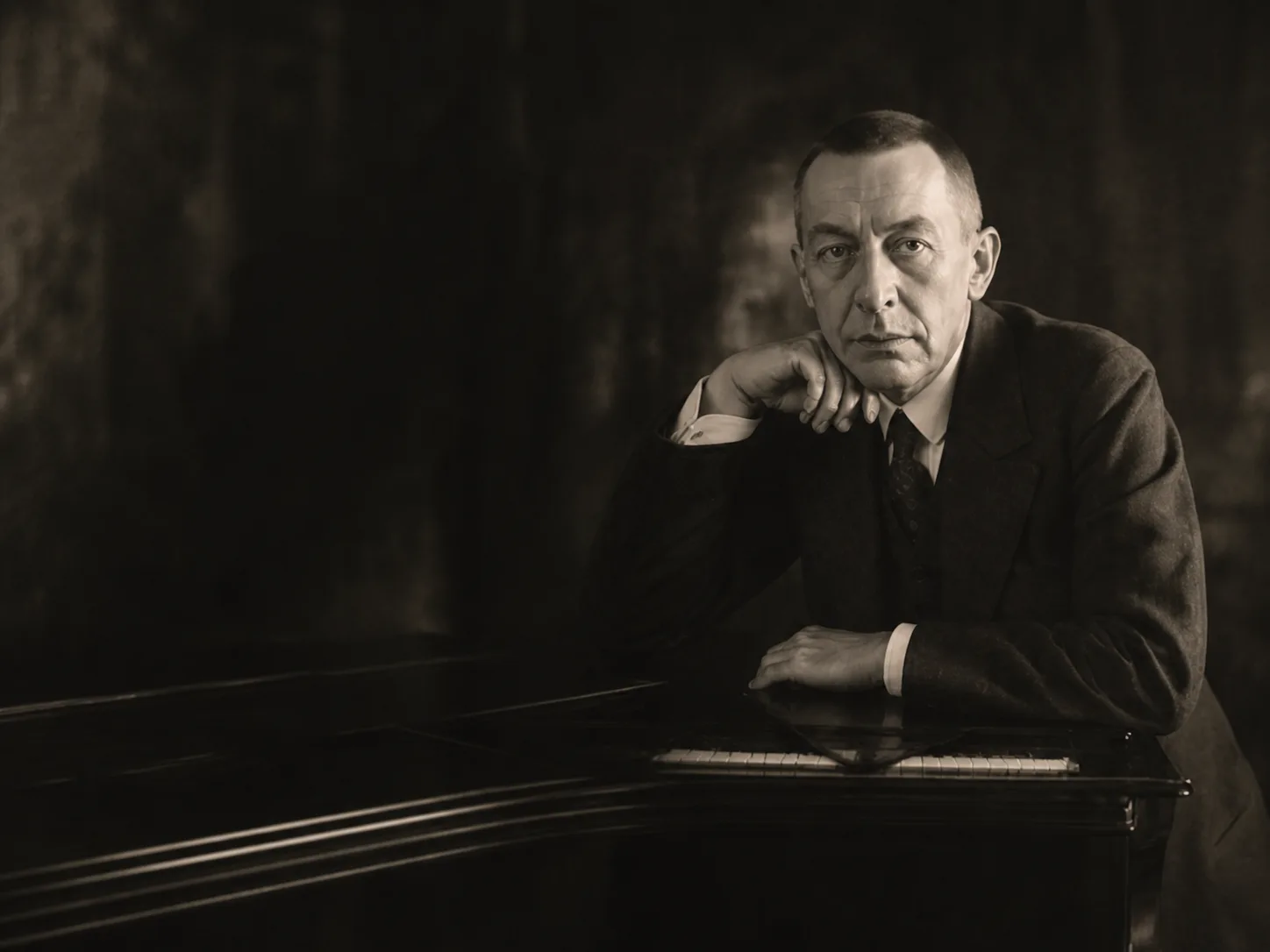
Sergei Rachmaninoff
A guiding figure
Pianist, composer and conductor, Sergei Rachmaninoff embodies the soul of the institution: artistic rigor, transmission and solidarity with artists in exile. His name links a Russian tradition of excellence to a vocation that is deeply European and universal.
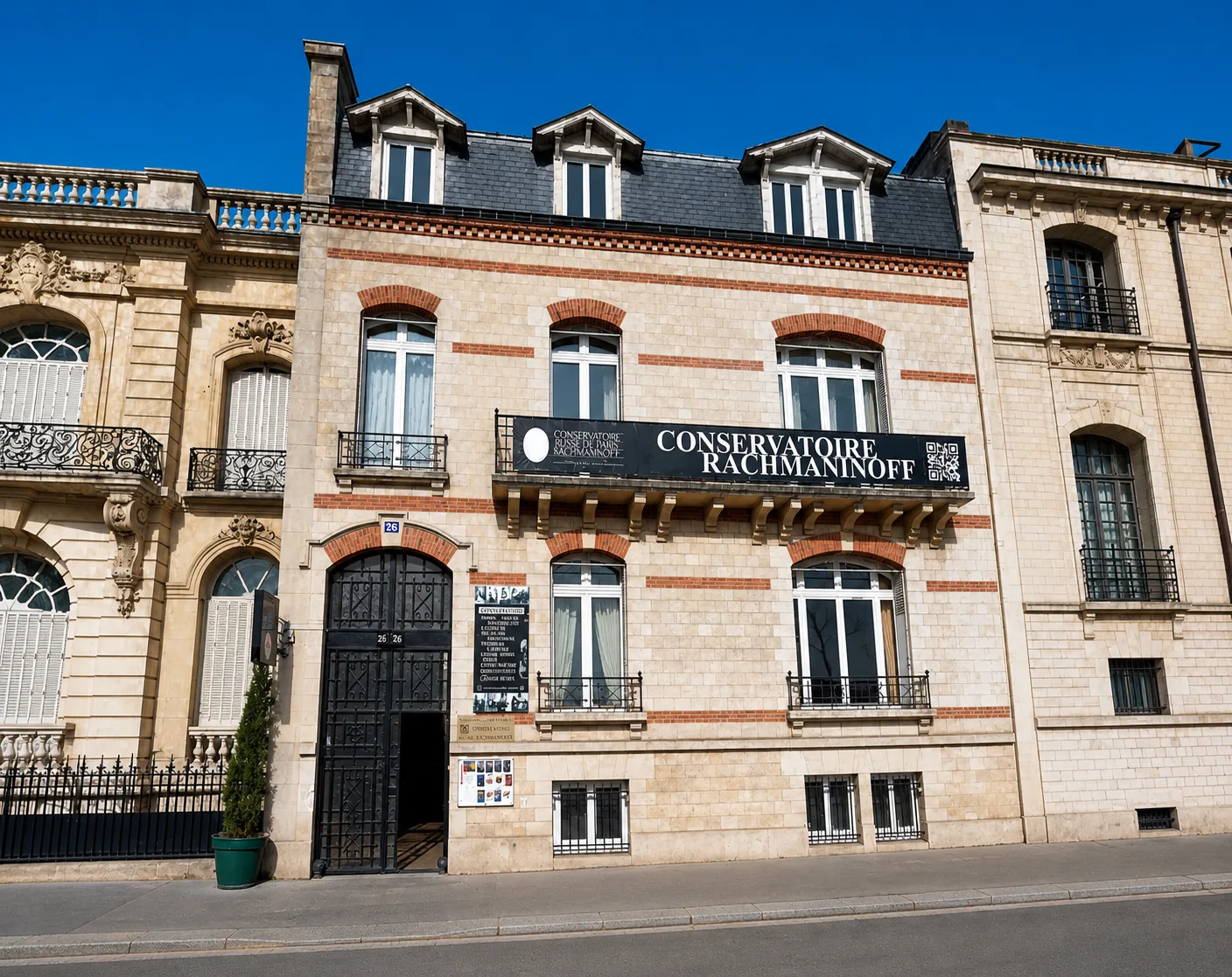
A historic address
26 avenue de New York
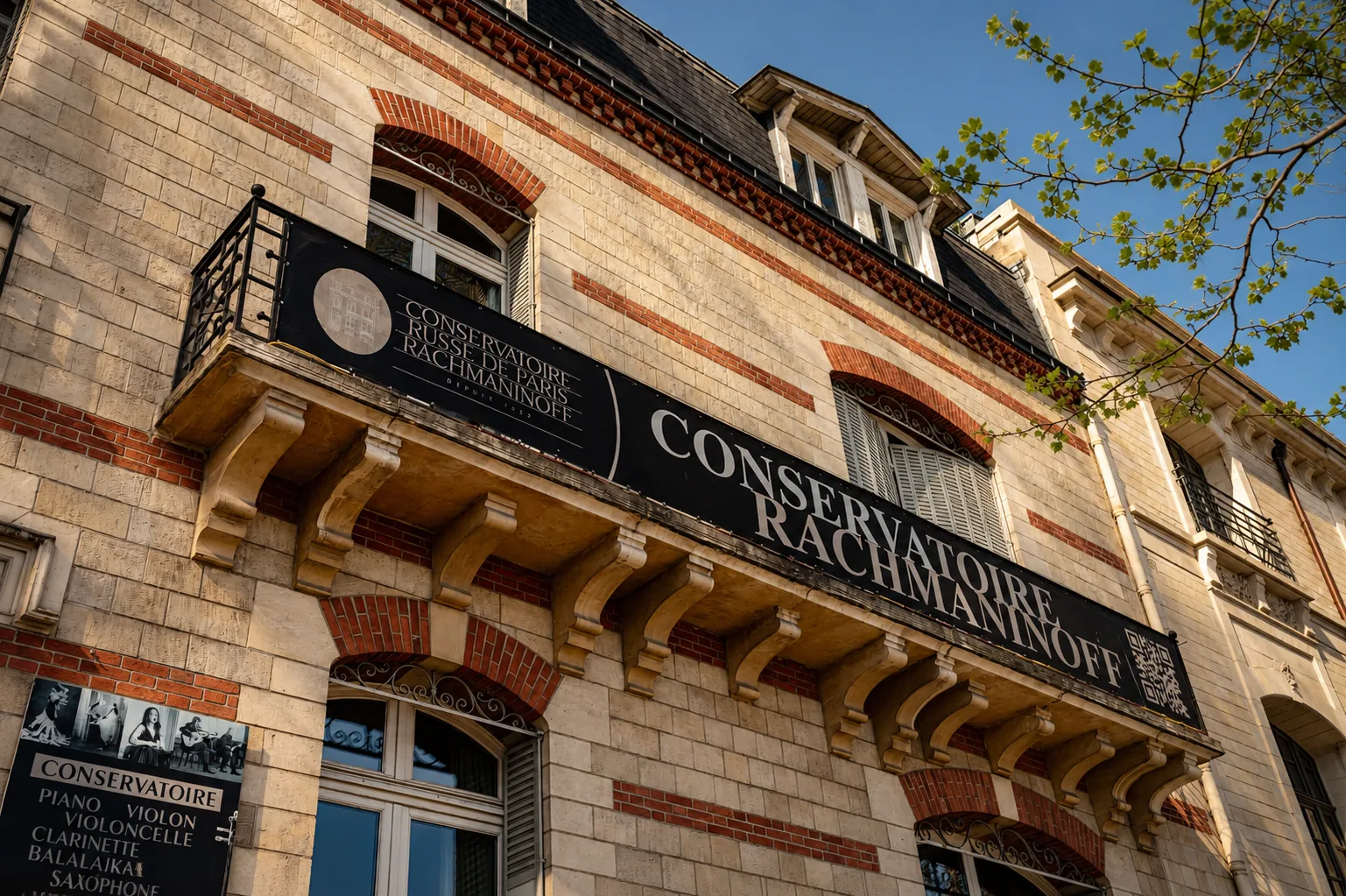
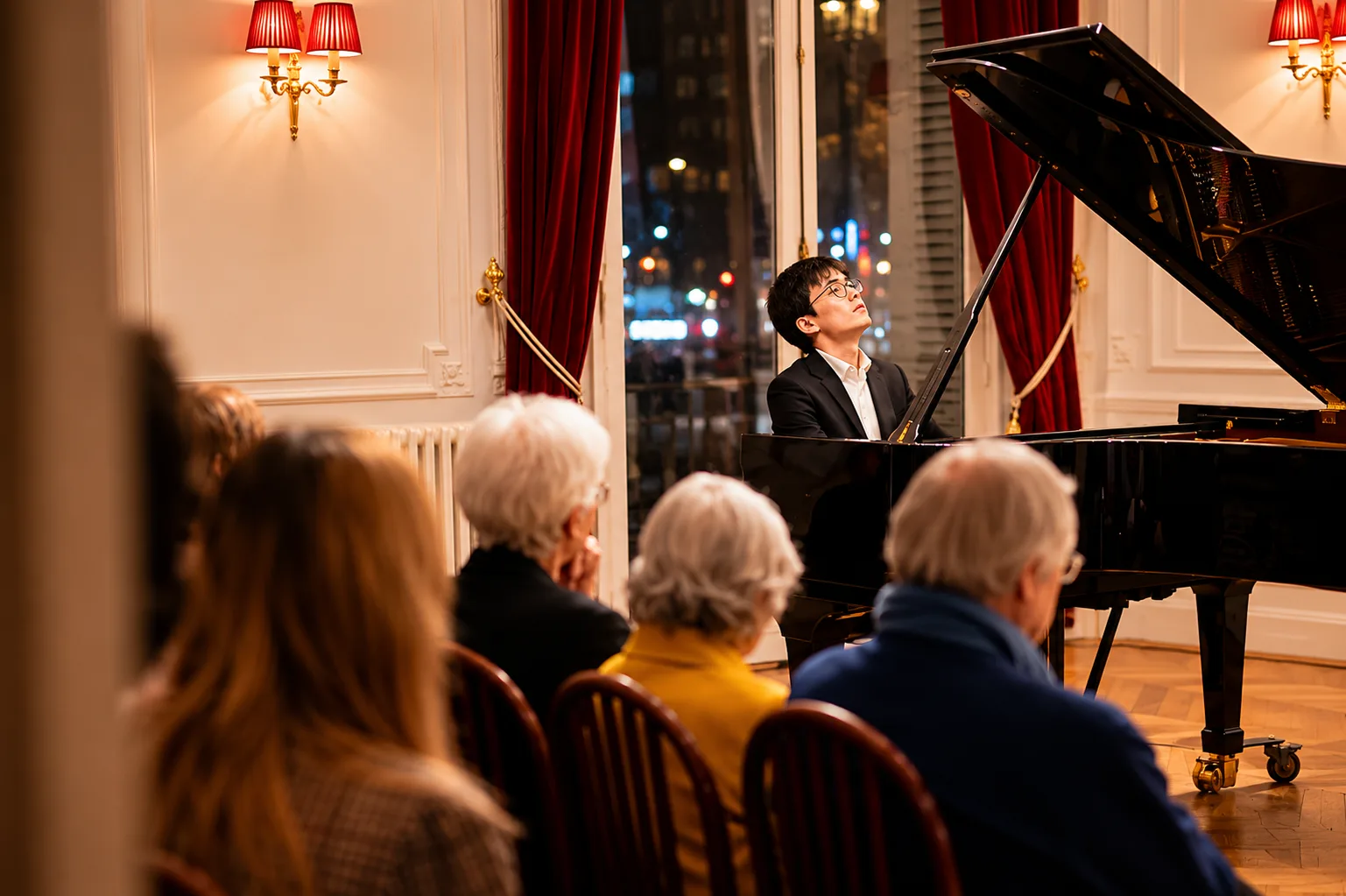
Established since 1933 at 26 avenue de New York, facing the Eiffel Tower, the Institute occupies an address that has become emblematic of Russian cultural life in Paris. Salons, study rooms, archives and meeting spaces together form a place where history continues to be passed on.
Apolitical and open to all
True to its history, the Institute remains an apolitical cultural venue open to all, where dialogue through art preserves a bond between people, generations and cultures.
Structure
An association recognized as serving the public interest
Governed by the French law of 1901 on non-profit associations, the institution devotes its resources to fulfilling its cultural, educational and humanitarian missions. Its public-interest status attests to the national significance of its work and its commitment to the common good.
500 members
A committed community gathered around the institution
12 board members
A volunteer, multidisciplinary Board of Directors
5 officers
A team responsible for management and continuity
Transmission is not a fixed legacy: it is a living dialogue between generations who share the same artistic rigor.
Rachmaninoff Circle
A circle of friends and patrons
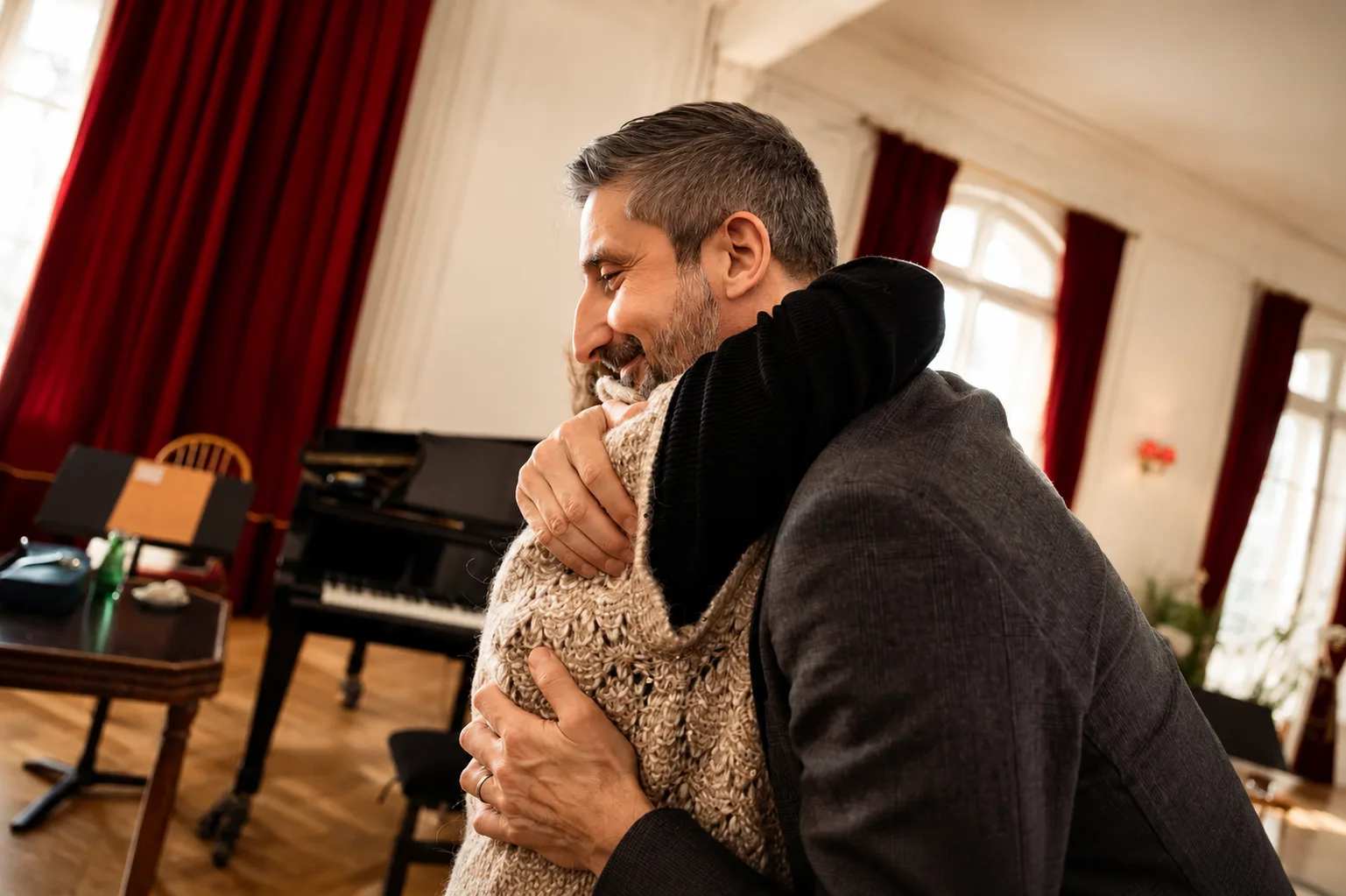
The Rachmaninoff Circle brings together those who choose to support the Institute over the long term. Patrons, donors, enthusiasts and professionals share the same care for the institution’s historical heritage, public-interest missions and flagship projects.
Join the CircleSupport the Institute
Support a century-old institution
Scholarships, patronage, donations, partnerships: there are many ways to support the Institut Rachmaninoff in its cultural and humanitarian mission.